
By Dr. Saijyot Raut, Consultant Spine Surgeon at One Spine
13/11/2025 | 7 Min read
Spinal decompression surgery is a surgical procedure designed to relieve pressure on the spinal cord or nerve roots. When spinal nerves are compressed due to a herniated disc, thickened ligaments, bone overgrowth or spinal canal narrowing, patients may experience persistent pain, tingling, weakness, and difficulty walking. The goal of decompression surgery is to remove the structure pressing on the nerves, allowing them to heal and function normally again.
This procedure is commonly performed for:
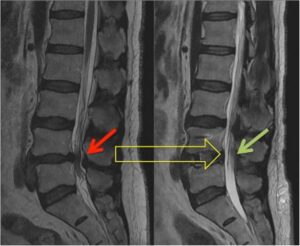
Nerves become compressed when the space around a spinal nerve becomes too narrow, placing abnormal pressure on the nerve root and disrupting normal nerve function. This can happen due to several common spine conditions, including slipped or herniated discs where the disc material bulges outward and presses on the nerve.
Age related changes such as degenerative disc disease, bone spurs and thickened ligaments also reduce the space within the spinal canal. Spinal stenosis, one of the most frequent causes of nerve compression in older adults, further narrows the areas where nerves travel.
Poor posture, long hours of sitting, repetitive bending or lifting, and sudden injuries can irritate or shift spinal structures, increasing the likelihood of nerve impingement. In some cases, spinal deformities like scoliosis or rare causes such as tumors or cysts may also compress the nerves. When this pressure persists it leads to symptoms such as back pain, radiating leg or arm pain, tingling, numbness or muscle weakness.
Early diagnosis is important because long standing nerve compression can lead to chronic pain and reduced mobility, making timely consultation with a spine specialist essential.
Different surgical techniques are used depending on the cause and location of nerve compression:
1. Laminectomy
This procedure involves removing a small portion of the vertebral bone called the lamina.. When the lamina is thickened or when surrounding tissues press on the nerves, the spinal canal becomes narrow. Removing this section of bone creates more space for the nerves, reducing irritation and improving symptoms.
A microdiscectomy is a minimally invasive spine procedure used to relieve leg pain, numbness or weakness caused by a slipped disc. When a disc presses on a spinal nerve most commonly the sciatic nerve it can lead to severe discomfort that affects daily activities. A microdiscectomy aims to remove the portion of the disc causing the nerve pressure while preserving the healthy disc around it.
3. Foraminotomy
A foraminotomy is a minimally invasive spine procedure designed to relieve pressure on a spinal nerve by enlarging the foramen, the small opening where the nerve exits the spinal column. When this opening becomes narrow due to arthritis, bone spurs, disc bulges or age related spine changes, it can irritate or compress the nerve. This often leads to radiating pain, numbness, tingling or weakness in the arms or legs.
4. Corpectomy
A corpectomy is a specialized spine surgery performed to relieve significant pressure on the spinal cord or nerve roots. This procedure involves removing part or all of a vertebral body, the solid bone at the front of the spine along with nearby discs that may be compressing the spinal cord. By removing the damaged bone and disc material, the surgeon creates more space for the neural structures and helps restore spinal alignment.
| Minimally Invasive Spine Surgery | Open Spine Surgery | |
|---|---|---|
|
Surgical Approach |
Performed through small incisions using tubular retractors and a microscope or endoscope. Muscles are gently separated rather than cut.
|
Requires a larger incision where muscles and soft tissues are moved aside to expose the spine directly.
|
|
Hospital Stay |
Often a same day or 24 to 48 hour stay, depending on the procedure.
|
Often a same day or 24 to 48 hour stay, depending on the procedure.
|
|
Recovery Time |
Faster healing and quicker return to daily activities, especially for working individuals in cities like Mumbai.
|
Longer and more gradual recovery due to extensive tissue involvement.
|
|
Scarring |
Very small scars that fade over time; beneficial for patients concerned about cosmetic appearance.
|
Larger incisions leads to more visible scarring. |
|
Ideal Conditions Treated
|
Herniated disc, early spinal stenosis, nerve compression, and select decompression procedures.
|
Severe spinal deformities, multi-level stenosis, trauma, tumors, and complex instability requiring broader access.
|
|
Local Availability |
Widely available at advanced spine centres in Mumbai using modern microscopes and minimally invasive tools. |
Commonly performed in major hospitals and trauma centres across Mumbai for complex spinal conditions. |
For many patients, improvement in leg pain is noticeable almost immediately after surgery
Recovery varies for each patient, but general timelines include:
Temporary restrictions include avoiding heavy lifting, bending, and twisting until cleared by a doctor.
Early Mobilisation: Most patients can walk a few hours after minimally invasive spine surgery, which helps enhance circulation and lessen stiffness.
Pain Control: Mild discomfort is common and your doctor will provide appropriate medication to ensure a comfortable recovery.
Incision Care: Keep the surgical area clean and dry. Follow your surgeon’s instructions regarding dressing changes and showering.
Activity Restrictions: Avoid bending, heavy lifting or twisting for the first few weeks to protect the healing spinal tissues.
Gradual Return to Work: Many patients resume light work within a few days, depending on the surgery type and their daily physical demands.
Physical Therapy: Guided exercises help restore strength, mobility and posture while preventing future disc strain.
Follow Up Appointments: Regular check ins with your spine specialist ensure proper healing and allow early detection of any issues.
Healthy Habits: Maintaining proper posture, staying active and managing body weight support long term spinal health.
The cost of spinal decompression surgery in Mumbai varies based on the type of procedure, the severity of nerve compression, and the hospital or spine centre selected. Since every patient’s spinal condition is unique, the final cost can only be determined after a detailed clinical evaluation and imaging review.
In Mumbai, spinal decompression procedures such as laminectomy, microdiscectomy, foraminotomy, and minimally invasive decompression are performed at advanced spine centres equipped with modern microscopes, navigation technology, and minimally invasive surgical tools. These factors, along with the surgeon’s expertise, significantly influence the overall treatment cost.
While the exact cost may differ, the average price in Mumbai typically ranges between INR 1,50,000 to INR 4,50,000, depending on surgical complexity and hospital facilities. Insurance coverage and EMI options are usually available.
Finding the right spine surgeon can make a major difference in your recovery from back pain, slipped disc, sciatica, or neck problems. Begin by choosing a specialist who is trained specifically in spine surgery and has experience treating a wide range of spinal conditions. Surgeons who regularly perform minimally invasive procedures often provide quicker recovery, smaller incisions, and reduced postoperative discomfort.
A reliable spine surgeon will always guide you through non-surgical options first and suggest surgery only when truly necessary. Look for someone who explains your diagnosis clearly, answers your questions patiently and involves you in the treatment plan. Checking patient feedback, clinical reputation, and outcome history can help you understand their expertise and approach.
For your convenience, always consider a surgeon with clinics in accessible locations, such as Thane, Andheri, Chembur, Vashi, Kandivali or Dahisar, making follow up appointments and physiotherapy more manageable.
The best spine surgeon is someone who combines skill with compassion, offers personalised care and ensures you feel confident and supported throughout your recovery.
Verified by:

M.S ( Ortho), F MISS, F CV
Dr.Saijyot Raut is a consultant spine surgeon with 10+ years of expertise in minimally invasive spine surgery, scoliosis and complex spinal disorders. He is part of One Spine team which has branches all over Mumbai and practises across leading hospitals in Mumbai
Spinal decompression surgery is done to relieve pressure on compressed spinal nerves caused by a herniated disc, bone overgrowth or spinal canal narrowing. It helps reduce chronic back or leg pain, numbness, and difficulty walking
Yes, postoperative physiotherapy is important for strengthening the spine, improving mobility, preventing recurrence, and speeding up recovery.
When performed by an experienced spine surgeon with advanced technology, it is considered safe with high success rates. Minimally invasive techniques reduce risks, blood loss and hospital stay.
Yes, if sciatica is caused by nerve compression from a herniated disc or spinal stenosis, decompression surgery can provide significant and long term relief.
The success rate of spinal decompression surgery is approximately 95% to 98%