
By Dr. Saijyot Raut, Consultant Spine Surgeon at One Spine
08/12/2025 | 5 Min read
If you’ve been diagnosed with a slipped disc or herniated disc, as doctors call it, you’re probably wondering whether surgery is unavoidable. This is the One of the first questions most people ask after their diagnosis is
Can Slipped Disc Cure Without Surgery?
The answer is YES, most people with disc herniations recover without ever needing an operation. But understanding the timeline and what conservative treatment actually involves can help you make informed decisions about your spine health.
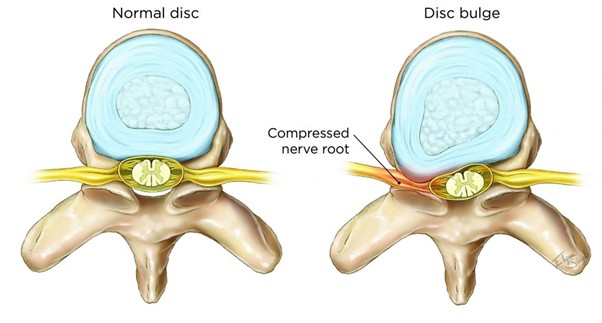
Here’s something that might surprise you
studies show that roughly 80% to 90% of people with herniated discs improve with non surgical treatment alone. Your body has a remarkable ability to heal disc injuries over time and surgery is typically reserved for specific situations where conservative care hasn’t worked or when there are serious neurological concerns.
The typical recovery timeline varies considerably from person to person. Some individuals notice significant improvement within a few weeks, while others may need several months of consistent treatment. Most of the spine specialist doctors recommend giving conservative treatment a fair chance usually anywhere from 6 weeks to 6 months before considering surgical options.
When your doctors talk about treating a slipped disc without surgery, they’re not just suggesting you, wait it out. Effective conservative care involves a coordinated approach that addresses both pain management and functional recovery.
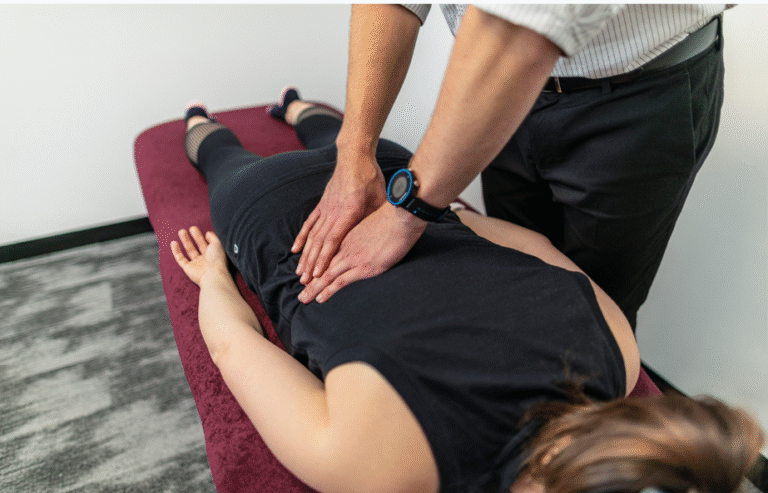
Physical therapy is important part of most treatment plans. A skilled physical therapist will guide you through exercises that strengthen the muscles supporting your spine, improve flexibility, and help reduce pressure on the affected disc. This isn’t about generic stretches its targeted rehabilitation based on your specific symptoms and the location of your herniation.
If you want a deeper understanding of these symptoms, here’s a complete guide on slipped disc causes and treatment.
Pain management strategies typically include a combination of approaches. Anti inflammatory medications can help reduce swelling around the affected nerve roots. Muscle relaxants might be prescribed if you’re experiencing significant spasms. Some people find relief with epidural steroid injections, which deliver medication directly to the area of inflammation.
Activity modification matters more than most people realize. This doesn’t mean complete bed rest in fact, staying too sedentary can actually slow your recovery. Instead, it’s about learning which movements aggravate your symptoms and temporarily avoiding them while you heal. Your physical therapist can teach you proper body mechanics for daily activities.
During the first 4 to 6 weeks, your primary focus should be on managing acute pain and inflammation. Many people see noticeable improvement during this initial phase, though some days will feel better than others. This is completely normal and doesn’t mean your treatment isn’t working.
Between 6 weeks and 3 months, you’re typically building strength and working on restoring full function. The sharp, severe pain often transitions to more manageable discomfort during this period. This is when consistency with your exercise program really pays off.
If you’re still experiencing significant limitations after 3 to 6 months of dedicated conservative treatment, that’s when your doctor will likely have a more detailed conversation about whether surgery might be appropriate for your situation.
While most herniated discs heal without surgery, certain red flags warrant immediate medical attention and potentially surgical intervention. Progressive weakness in your legs or feet where you’re noticing it’s getting harder to walk, climb stairs or control your movements requires urgent evaluation.
Loss of bowel or bladder control is a medical emergency that requires immediate treatment. This condition, called cauda equina syndrome, needs surgical decompression right away to prevent permanent nerve damage.
Severe, unrelenting pain that doesn’t respond to multiple conservative treatments after several months may indicate that surgery could provide better relief than continuing with non surgical approaches.
Several factors affect how quickly you might recover and whether surgery eventually becomes necessary. The size and location of your herniation play a role some disc herniations naturally reabsorb over time, while others remain stable but stop causing symptoms as inflammation resolves.
Your overall health and lifestyle habits significantly impact healing. People who maintain a healthy weight, don’t smoke, and stay physically active generally recover faster than those with multiple health challenges.
Your commitment to treatment makes an enormous difference. Following through with prescribed exercises, attending physical therapy sessions, and making recommended lifestyle modifications all contribute to better outcomes.
It’s important to have realistic expectations about conservative treatment. Success doesn’t always mean becoming completely pain free though many people do reach that point. For some, success means reducing pain to manageable levels and regaining the ability to do the activities that matter most to them.
You might need to make some permanent adjustments to protect your spine long term. This could include maintaining a regular exercise routine, being mindful of lifting techniques or managing your weight. These aren’t sacrifices they’re investments in your spine health that can prevent future problems.
A slipped disc diagnosis doesn’t mean you’re headed for the operating room. With appropriate conservative treatment maintained consistently over weeks to months, the majority of people recover well without surgery. The key is giving yourself adequate time to heal while staying engaged with evidence-based treatments.
Surgery remains an important option when conservative care truly isn’t working or when serious neurological problems develop, but it’s typically not the first answer. Your spine has considerable healing capacity when given the right support and that support usually comes in the form of patience, proper rehabilitation, and working closely with knowledgeable healthcare providers who understand both the science of disc injuries and the individual nature of each person’s recovery.
Verified by:

M.S ( Ortho), F MISS, F CV
Dr.Saijyot Raut is a consultant spine surgeon with 10+ years of expertise in minimally invasive spine surgery, scoliosis and complex spinal disorders. He is part of One Spine team which has branches all over Mumbai and practises across leading hospitals in Mumbai
Yes, many slipped discs improve permanently with conservative treatment such as physiotherapy, posture correction, anti-inflammatory medications, and strengthening exercises. Long term relief depends on maintaining spine friendly habits and preventing reinjury.
Yes. A herniated disc in the lower back especially at L3, L4 or L4, L5 can irritate the nerves that travel down the leg, causing pain that can be felt around the knee.
Treatment usually includes rest, physiotherapy, posture correction, anti-inflammatory medicines, heat therapy and nerve relief exercises. Severe or persistent symptoms may require image guided injections or minimally invasive surgery.
Ignoring a slipped disc can lead to worsening pain, increased nerve compression, muscle weakness, reduced mobility and in rare cases, permanent nerve damage. Early treatment improves recovery and prevents long-term complications.