

Waking up with a stiff neck, feeling sore after a long day at the desk or straining your neck during exercise these situations most of us have faced. Neck discomfort can be triggered by several factors such as poor posture, prolonged screen use, sudden jerks or sprains, muscle strain or age related changes like cervical spondylosis. These issues often cause stiffness limited movement or a dull ache that interferes with daily activities.
In many cases, simple home remedies like gentle stretching heat therapy or posture correction can bring quick relief and help restore flexibility. But when pain persists becomes severe or is accompanied by tingling and weakness in the arms it’s important to consult a qualified spine specialist or healthcare professional. Getting timely advice ensures the problem is properly managed before it progresses into something more serious.

If you are experiencing a sore back neck or neck pain stiffness, here are some common Symptoms of Neck Pain you may also notice:
Neck pain may develop due to:
Most mild to moderate cases of neck ache can be managed with simple and effective Home Remedies for Neck Pain:
Temperature therapy is one of the simplest and most effective home remedies for neck pain. Both heat and cold can reduce discomfort but its works in slightly different ways.

Temperature therapy works because it directly addresses the two main drivers of neck pain at a tissue level inflammation and muscle tension. Cold constricts blood vessels and slows the inflammatory response, making it most effective in the acute phase. Heat does the opposite it dilates blood vessels, increases circulation, and allows contracted muscle fibres to relax. Used correctly and at the right stage, this combination is one of the most evidence supported approaches to natural neck pain relief available without a prescription.
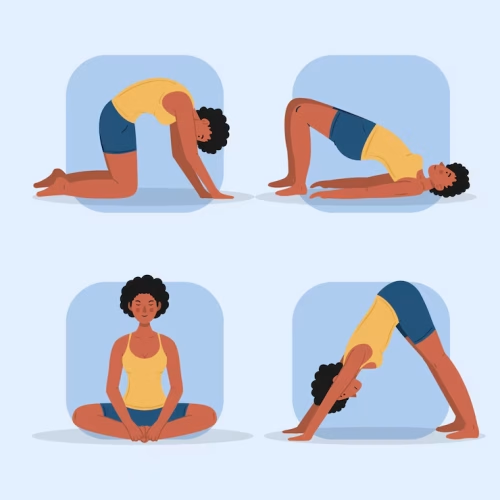
Neck pain, stiffness or headaches can be caused by Text Neck also. here are some quick tips.
Over the counter medications can provide quick relief from mild neck pain, stiffness or muscle strain. Options such as acetaminophen or nonsteroidal anti inflammatory drugs help reduce pain and in some cases inflammation. These medicines should always be used as directed and only for short term relief. For lasting improvement and to address the root cause of discomfort it’s important to consult a qualified spine specialist who can recommend safe and effective long term solutions.

In cases where neck pain is linked to cervical spondylosis home care can reduce discomfort:
Expert Tip: Dr Saijyot Raut, Spine Specialist, explains
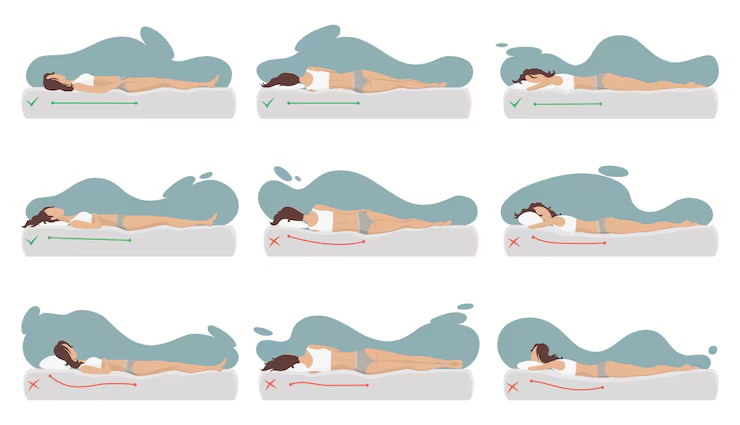
I would suggest to use memory foam pillow or a rolled towel below neck instead of normal fluffy pillows. It keeps your neck in extension and relaxes all the neck muscles. This would reduce Stiffness and pain in the neck
See a doctor if you experience:
Most mild to moderate neck pain responds well to a combination of heat or cold therapy, gentle cervical stretching, posture correction, and proper sleep positioning. Applying a cold pack within the first 24 hours of a strain helps control inflammation, while heat works better for chronic stiffness by relaxing tight muscles and improving blood flow. Pairing these with daily neck stretches and ergonomic adjustments like keeping your screen at eye level and using a supportive pillow can significantly reduce pain without medication. If symptoms persist beyond two weeks or are accompanied by arm tingling or weakness, a spine specialist should evaluate you.
For quick natural relief, heat therapy is often the most effective starting point a warm compress, heating pad, or warm shower relaxes tense cervical muscles within minutes. Gentle chin tucks and lateral neck stretches help release muscle tightness and restore mobility. If the pain followed a sudden strain or injury, a cold pack applied within the first 24 hours reduces acute inflammation faster than heat. The fastest results typically come from combining temperature therapy with immediate posture correction stopping the activity or position that triggered the pain in the first place.
Mild neck sprains usually improve within a few days to two weeks with proper neck sprain treatment at home such as rest, ice or heat application and gentle stretching.
Yes poor posture is one of the most common causes of neck pain, particularly in people who spend long hours at a desk or looking down at a phone. When the head shifts forward even slightly, the load on the cervical spine increases significantly, straining the muscles, discs, and joints of the neck. Fixing it involves a combination of ergonomic changes screen at eye level, chair with proper back support, shoulders relaxed and targeted exercises like chin tucks and shoulder blade squeezes that retrain the muscles to hold the head in a neutral position. Consistency matters more than intensity here.
Both work but for different stages of pain. Ice or a cold pack is better in the first 24 to 48 hours after an acute strain or injury, as it reduces swelling and numbs the area. Heat is more effective for chronic stiffness, muscle tightness, and the kind of neck ache that builds up from prolonged sitting or cervical spondylosis. A simple rule: if the pain came on suddenly after a specific incident, start with cold. If it's a dull, persistent ache with no clear injury trigger, start with heat. Always wrap ice packs in a cloth to protect the skin and limit application to 15 minutes at a time.
Most episodes of acute neck pain from muscle strain, poor sleep position, or sudden movement resolve within a few days to two weeks with appropriate home care. Pain that persists beyond two to four weeks, or that recurs frequently, usually indicates an underlying structural issue such as cervical spondylosis, disc degeneration or chronic postural strain that needs professional assessment. Chronic neck pain, defined as pain lasting more than three months, typically requires a structured rehabilitation program rather than self management alone.

Dr.Saijyot Raut is a consultant spine surgeon with 10+ years of expertise in minimally invasive spine surgery, scoliosis and complex spinal disorders. He is part of One Spine team which has branches all over Mumbai and practises across leading hospitals in Mumbai